The evolution of gambling through the ages a historical perspective
The Ancient Roots of Gambling
The origins of gambling can be traced back thousands of years to ancient civilizations. Archaeological findings suggest that dice, which are among the earliest forms of gambling, were used in Mesopotamia around 3000 BC. These simple objects made from materials such as bones and stones opened the door to games of chance, where luck played a pivotal role. Ancient Chinese texts from as far back as 2000 BC reference gambling practices, highlighting its prevalence in society. As the industry grew, platforms like Electric Spins began to shape the future of gaming, blending traditional elements with modern innovations.
The Egyptians also engaged in gambling activities, often tying them to the afterlife and spiritual beliefs. They used various tools, including betting on the outcomes of events, to seek favor from the gods. As trade expanded, so did gambling, with merchants often wagering their fortunes on unpredictable events. This melding of commerce and chance laid the groundwork for gambling as a societal norm.
In ancient Rome, gambling became even more formalized, with citizens betting on gladiatorial games and other public spectacles. The Romans instituted laws to regulate these activities, which reflected both the popularity and potential for societal disruption that gambling brought. Thus, the foundations for organized gambling began to take shape during these early civilizations, setting a precedent for future generations.
The Medieval and Renaissance Periods
During the Middle Ages, gambling maintained its popularity, particularly among the nobility. Games like chess and various forms of dice games became prevalent, with the latter often played for stakes. However, the church’s growing influence led to periods of repression against gambling, labeling it a vice. Despite these efforts, underground gambling continued to thrive, showing a resilience that would mark its future.
The Renaissance saw a resurgence of interest in gambling as commerce and exploration flourished. The introduction of playing cards in Europe in the 14th century revolutionized gambling, leading to the creation of various card games that remain popular today. Casinos started to emerge in the Italian city-states, where aristocrats would gather to enjoy games of chance, merging leisure with social status.
This era also witnessed the establishment of the first official gambling houses in Venice, which attracted the wealthy elite. These establishments laid the groundwork for modern casinos, providing not only games of chance but also an atmosphere of luxury and exclusivity. The intertwining of gambling with art and culture during this time further solidified its place in society.
The Rise of Modern Gambling in the 18th and 19th Centuries
The 18th and 19th centuries marked a significant evolution in gambling practices, especially with the Industrial Revolution reshaping societal norms. The increased wealth and leisure time for the middle class fueled the demand for gambling. Betting on horse races became a popular pastime, leading to the establishment of organized betting systems and the creation of tracks dedicated solely to racing.
In this period, the concept of the casino as a leisure destination truly blossomed. The first modern casino, Casino di Venezia, opened its doors in Venice, Italy, in 1638, offering a variety of gambling options that attracted both locals and tourists. This model spread across Europe and into the Americas, giving rise to iconic venues like Monte Carlo in Monaco, which became synonymous with luxury and high stakes.
Additionally, this era saw the introduction of more structured gambling laws aimed at regulating the industry. Governments began to recognize the economic potential of gambling, resulting in taxation and licensing that would provide a steady revenue stream. Such regulatory frameworks not only safeguarded players but also provided a stable environment for operators, paving the way for the booming gambling industry we see today.
The 20th Century: The Golden Age of Gambling
The 20th century heralded a new chapter in the evolution of gambling, marked by significant changes in societal attitudes and technology. The legalization of gambling in various U.S. states during the early part of the century allowed for the establishment of iconic resorts in Las Vegas, Nevada. The city transformed into a gambling capital, offering a plethora of gaming options, entertainment, and a culture built around the thrill of chance.
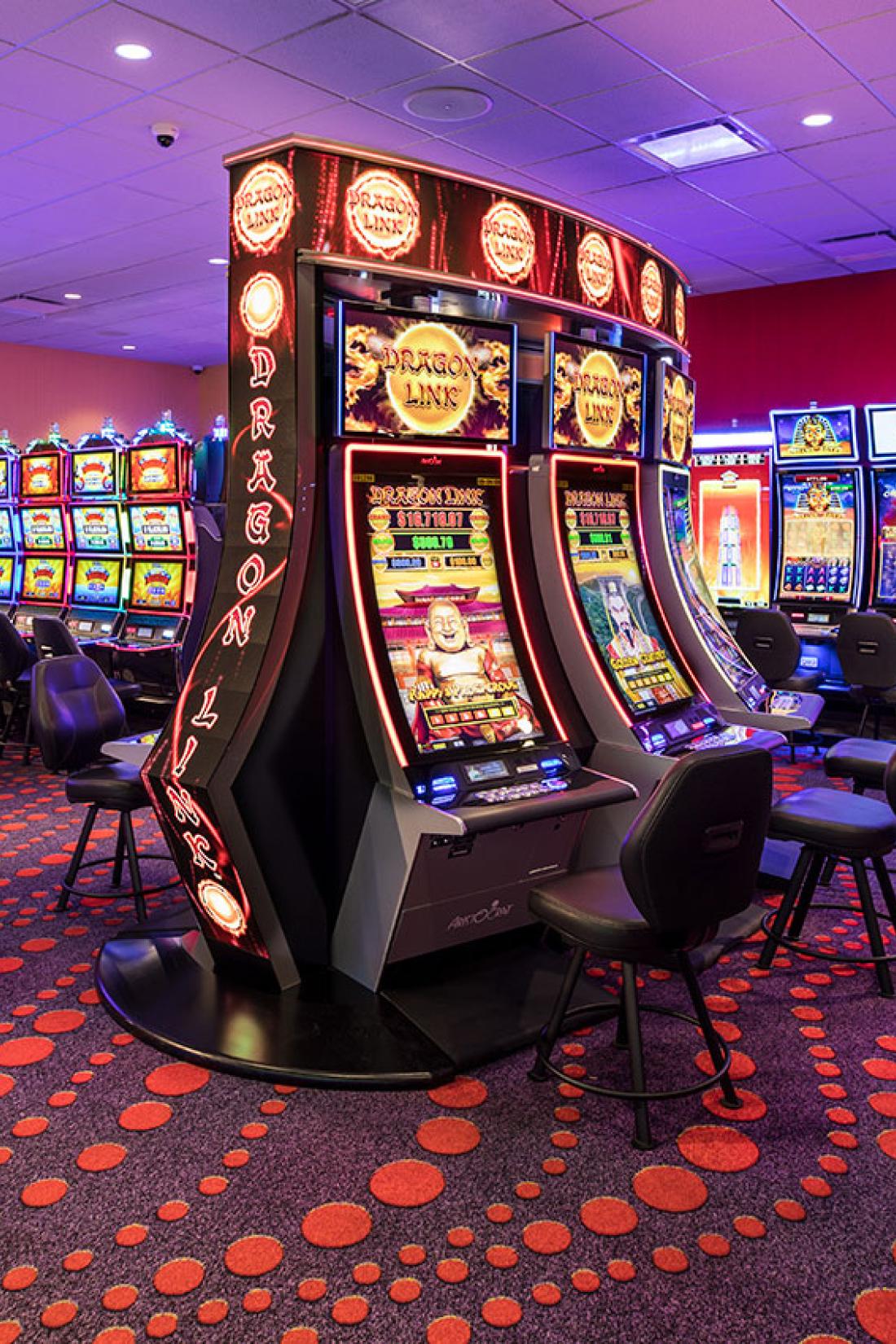
Alongside this, the proliferation of technology revolutionized the gambling experience. The advent of electronic slot machines in the 1960s changed the landscape, making gambling more accessible and appealing to a broader audience. The incorporation of new technology allowed for innovations such as video poker and electronic betting systems, which enhanced the player experience and attracted younger demographics.
Furthermore, the emergence of online gambling at the end of the century signaled a dramatic shift in the industry. The first online casinos launched in the 1990s, allowing players to gamble from the comfort of their homes. This accessibility ushered in a new era of gambling, where players could engage in their favorite games at any time, changing how gambling was perceived and integrated into daily life.
The Current Landscape and Future of Gambling
Today, the gambling industry is a multi-billion-dollar global enterprise, encompassing everything from traditional casinos to online gaming platforms. The legalization of sports betting in many jurisdictions has further expanded the market, allowing fans to engage with their favorite sports in a new and interactive manner. This trend reflects a growing acceptance of gambling as a form of entertainment, with regulations evolving to keep pace.
Technological advancements continue to shape the future of gambling. Virtual reality and augmented reality are beginning to make their mark, promising immersive experiences that mimic the feel of physical casinos. Moreover, the integration of blockchain technology is revolutionizing how transactions are conducted, enhancing security and transparency for players.
As the industry evolves, so does the emphasis on responsible gambling. Operators are increasingly implementing measures to promote safe play, recognizing the social responsibility that comes with offering gambling services. This focus on player welfare, along with ongoing technological innovations, suggests that the gambling landscape will continue to transform, blending tradition with modernity.
Electric Spins Casino: Your Gateway to Modern Gaming
Electric Spins Casino embodies the evolution of gambling in the digital age, offering players a diverse range of gaming experiences. With over 500 premium slot games sourced from top providers, it caters to various tastes and preferences. The casino’s user-friendly platform ensures that players can easily navigate through exciting options, making it a favored destination for many.
Committed to providing a safe and secure gaming environment, Electric Spins Casino operates under the strict regulations of the UK Gambling Commission. This means players can enjoy their gaming experience with peace of mind, knowing that they are protected by comprehensive measures. The generous welcome bonuses, including 30 free spins, further enhance the allure of this modern gaming platform.
As the gambling industry continues to evolve, Electric Spins Casino stands at the forefront, offering daily rewards, hassle-free payment options, and exceptional customer support. Whether you are a seasoned player or new to the world of online gaming, Electric Spins Casino ensures an engaging and thrilling experience tailored just for you. Join today and elevate your gaming journey!